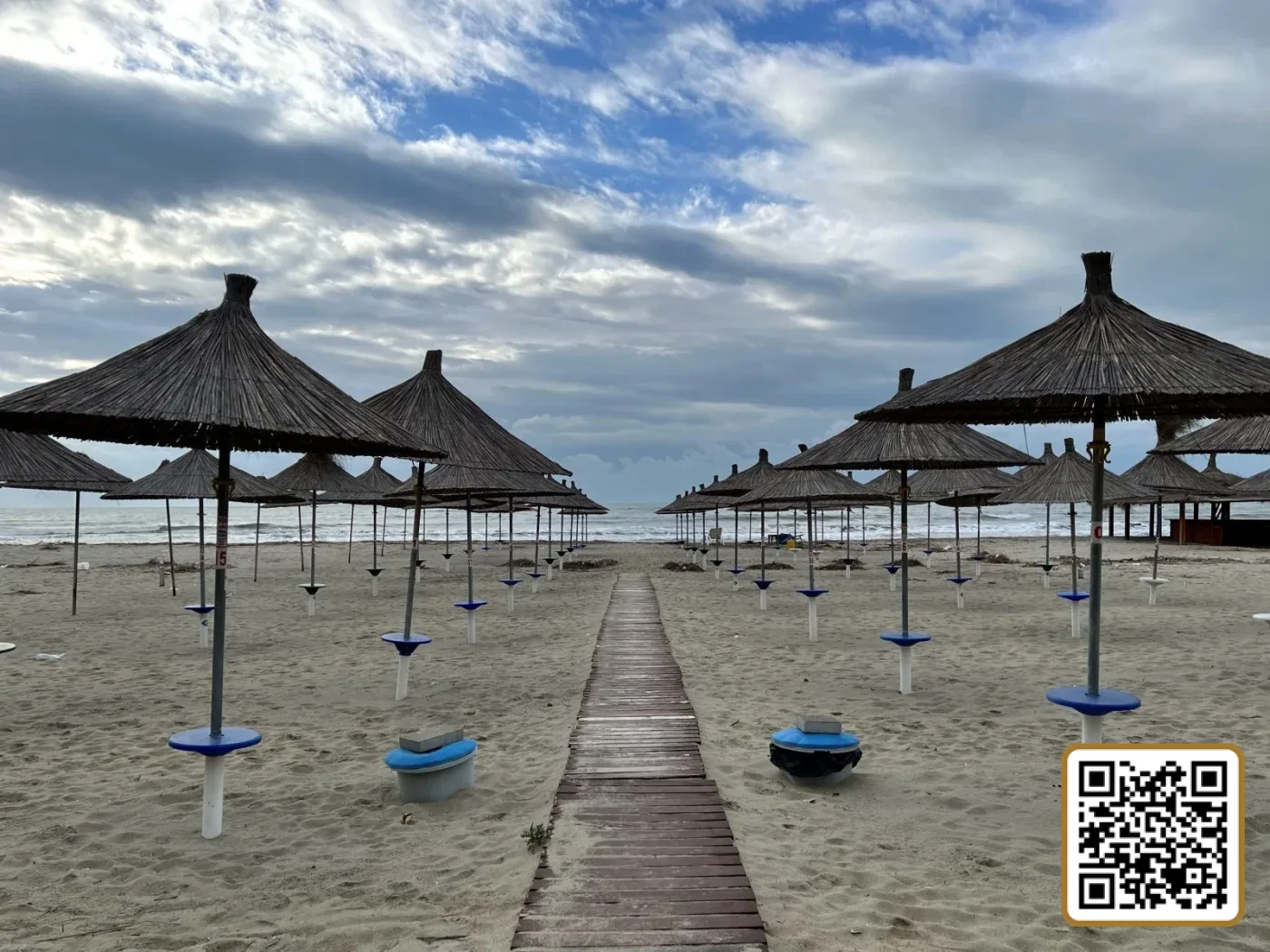

The southern coast of Durrës—stretching from Golem through Mali i Robit to Plepë—and inland municipalities like Rrashbull and Shënavlash are attracting international buyers seeking more space, newer construction, and direct access to the beach at much lower prices than in the city center. However, secure purchase in these less central areas requires additional layers of prior checking.
Photo: Sharon Hahn Darlin — Wikimedia Commons, CC BY 2.0
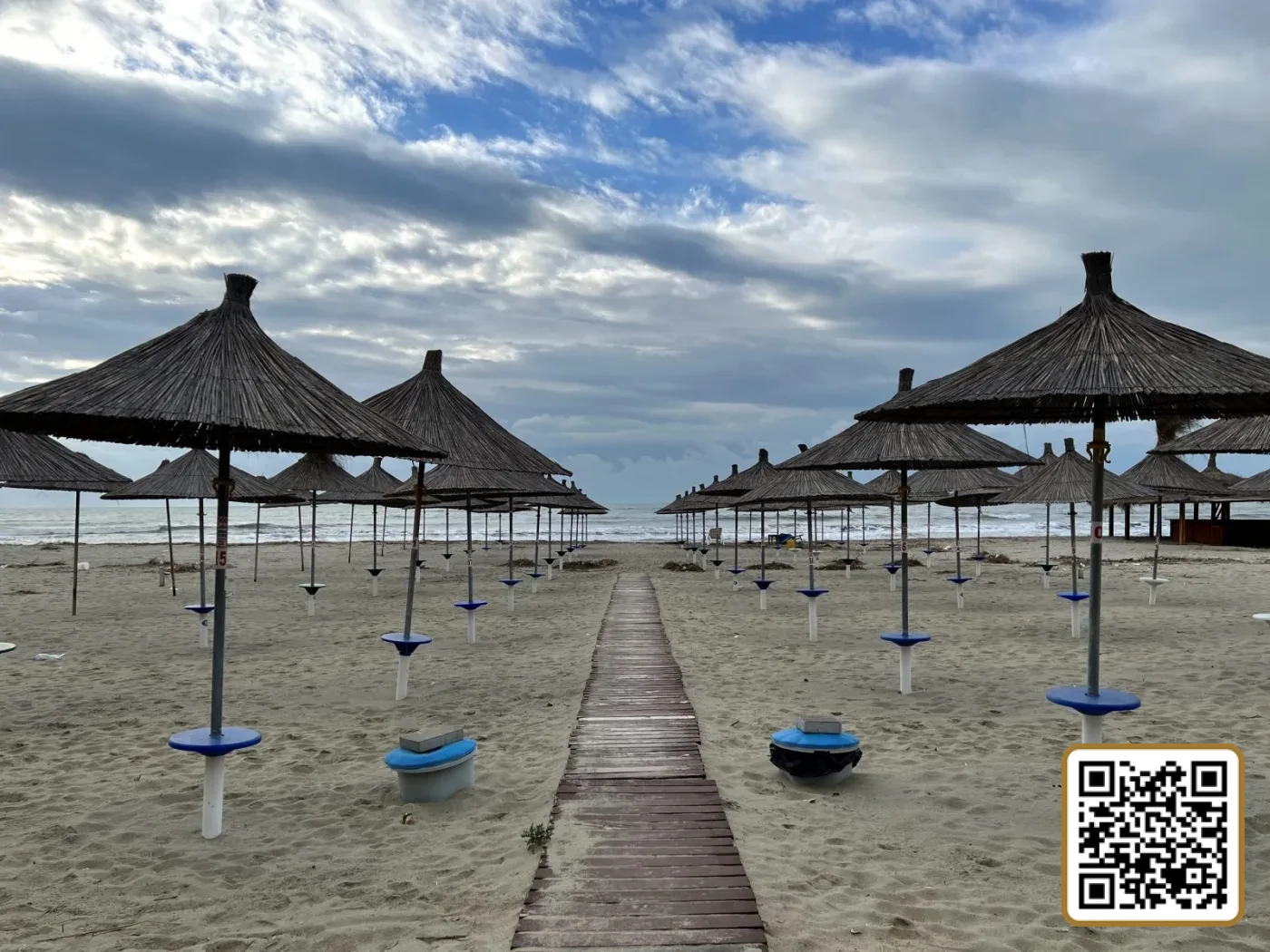
Land Classification Is First
The first and most important check is land classification. Many of the lands in southern Durrës have historically been agricultural, and not all have been reclassified for residential development. A foreigner cannot legally buy agricultural land in Albania. Before making an offer, make sure to obtain a land use certificate (land use certificate) from the municipality or local commune office. This document confirms whether the plot is intended as building land, agricultural land, or mixed use. If the seller cannot provide it within a few days, leave.
Enrollment in Peri-Urban Zones
Property registration in the peri-urban areas around Durrës can be more complex than in the city center. Some southern cadastral zones have only been digitized in the last decade, and historical property registers may contain gaps or contradictory claims. Your lawyer must conduct a full title search at ASHK, Durrës Local Office (State Cadastre Agency), including at least fifteen years of ownership history. Pay special attention to inheritance claims—under Albanian property law, many heirs may hold small shares of interests in a single property, and all must agree to the sale. A notarial declaration from each registered co-owner is mandatory.
Infrastructure in Golem and Mali i Robit
Infrastructure verification is essential in developing areas. In rapidly growing areas like Golem and Mali i Robit, new apartment buildings are sometimes connected to temporary utility lines instead of the permanent municipal network. Look to see the seller's latest electricity and water bills to confirm a stable connection. Check if the access road is well-maintained public asphalt or a private muddy path. In winter rains, unpaved coastal roads can become unusable. Confirm if the ownership is connected to the communal sewage system or relies on a septic tank, which requires periodic pumping and maintenance.
Walk the Boundaries — Twice
Visit the property at least twice, including once after heavy rain. Walk through the registered boundaries with a copy of the cadastral plan and verify that fences, walls, and any small structures remain within the legal footprint. Talk to neighbors about the history of flooding, consistency of water supply, and any disputes related to the seller or land. Ask the local municipal office about planned infrastructure projects—a promised new road or school could increase value, while a tall building approved nearby could ruin the sea view. Once all checks are completed, the notarial contract process and registration follow the same timeframe of four to six weeks as in the city center. With methodical preparation, buying near Durrës offers some of the best values on the Albanian coast.
Ready for the next step? Browse contact us — the IllyrianHome team responds to you within the day.