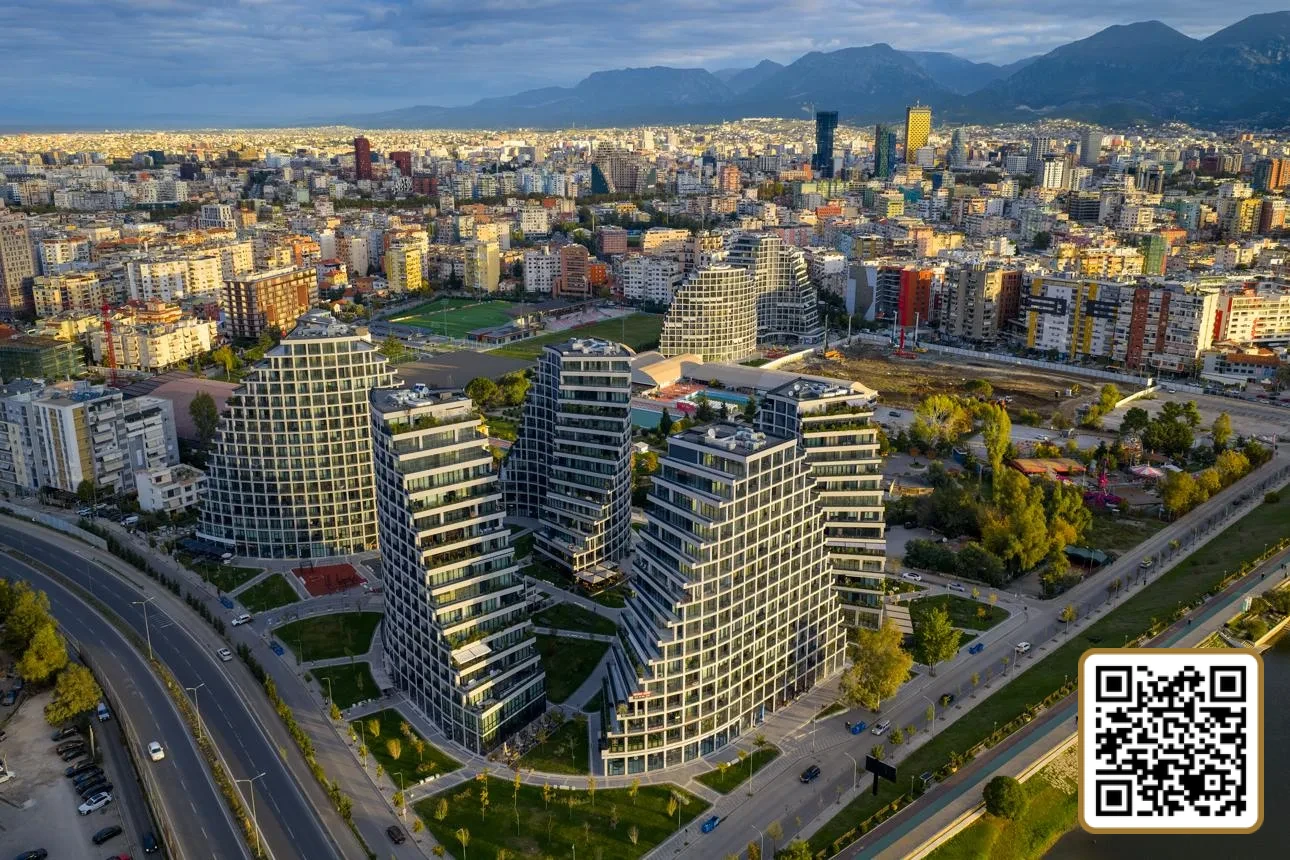

Legal certainty, transparency, and professional verification before one of life's most important investments.
Buying a property is one of the most important financial decisions for every individual or family. For many citizens, an apartment or house represents not only a need for housing but also lifetime savings, family security, and a long-term investment. In Albania, the real estate market has experienced significant development in recent years. The growing demand for apartments, investments in tourist properties, and the development of new projects have created numerous opportunities for both domestic and foreign buyers.
However, alongside market development, one question remains essential: How protected are citizens really when buying property in Albania?
The existence of a legal framework for property protection is an important element, but the security of a transaction also depends on the transparency of documentation, legal verifications, and the responsibility of the parties involved.
1. Legal certainty: Is the law sufficient to protect the buyer?
The right of ownership is guaranteed by the Constitution of the Republic of Albania and regulated by the Civil Code, while the registration and administration of immovable properties are based on the relevant cadastral legislation.
However, the existence of laws does not mean that every transaction is automatically secure.
Before buying a property, the citizen must ensure that:
- The identity of the owner and their right to sell.
- The validity of the ownership document.
- The legal status of the property.
- The existence of mortgages, seizures, or restrictions.
- The consistency of the documentation with the property being purchased.
A secure purchase starts with accurate information and not just with the price agreement.
2. Property documentation: What should the buyer check?
One of the most common mistakes when buying a property is focusing only on location, area, organization, and price, leaving legal documentation in the background.
Before signing the contract, it is important to check several documents and elements:
Certificate and property card
Verification of ownership, property identification, surface area, and registration data in the cadastral system.
Cadastral map
Checking the location and identification of the property, as well as matching data with official documentation.
Legal burdens and limitations
Verification of whether the property is subject to mortgage, seizure, or other restrictions that could affect the sale and purchase.
Title of ownership
Analysis of the document on the basis of which the seller acquired the property and, when necessary, also the history of previous ownership transfers.
These checks help identify issues before the buyer takes on financial obligations.
3. Unregistered properties and issues with the Cadastre
Another issue requiring attention is the status of property registration. In practice, some properties may have gone through inheritance, legalization, division, co-ownership processes, or administrative and judicial procedures. In these cases, the documentation must be examined with special care.
The buyer must understand whether the property is clearly identified, if there is complete documentation, and if there are obstacles that could affect ownership registration after purchase. A documentation ambiguity should not be overlooked just because the property is located in a requested area or offered at an attractive price.
4. Buying apartments in new constructions: Where does the risk lie?
Buying an apartment in a building that is still under construction is an increasingly common practice. Many citizens choose to invest based on the architectural project, location, price, and the expected completion time.
However, before signing an order or promise of sale contract, the following must be verified:
- The building permit and its details.
- The identity and legal status of the developer.
- The legal relationship between the developer and the landowner.
- Documentation of the building and the unit being purchased.
- The terms of the contract and the developer's obligations.
- Deadlines for completion and delivery.
- Procedures for registering the individual unit.
Also, the contract must clearly specify the area, floor, position, orientation, and characteristics of the apartment. A particularly important element is defining responsibilities in case of delays, project changes, or non-compliance with the agreed conditions. The buyer must know exactly what they are purchasing and what obligations the developer undertakes.
5. Sales contract: The document that protects the interests of the parties
The sales contract should not be considered merely as a formality for completing the transaction. It defines the rights and obligations of the seller and buyer and must contain all the essential elements of the agreement.
Among other things, it must determine:
- The identity of the parties.
- The description and identification of the property.
- The sale price.
- The method and deadlines for payment.
- The terms of delivery.
- The obligations of each party.
- Responsibilities in case of breach of contract.
Every document must be read and understood before signing. In case of uncertainties, consulting a lawyer or attorney is an important preventive measure.
6. The role of the notary, lawyer, and real estate agency
The security of a real estate transaction does not rely solely on a professional, but on cooperation among different actors.
The notary is responsible for formalizing the notarial deed and carrying out the verifications and procedures required by legislation.
The lawyer or legal professional can analyze the documentation, identify legal risks, and advise the buyer before making a decision.
The real estate agency assists in mediating the transaction, organizing information, communication between parties, and coordinating the sales process.
Each of these actors has a different role. Their cooperation creates better conditions for a transparent, organized, and reliable process.
7. What risks does a buyer face if they do not complete the necessary verifications?
Lack of prior control can lead to significant financial and legal consequences.
Among the most common issues that may be encountered are:
- Purchasing a property with incomplete documentation.
- Disputes between co-owners.
- The existence of undeclared mortgages or restrictions.
- Discrepancies between the actual and documented surface areas.
- Difficulties in registering ownership.
- Conflicts over fulfilling contractual obligations.
- Delays in completing or handing over new properties.
In many cases, resolving these issues requires time, additional expenses, and administrative or judicial procedures. For this reason, prior verification should not be seen as an unnecessary expense but as an investment in purchase security.
8. Five steps for a safer purchase
To reduce risks when buying property in Albania, every citizen should follow a structured process:
Step 1 – Identify the property
Make sure the property you are visiting is the same asset identified in the official documentation.
Step 2 – Verify ownership
Check who the registered owner is and whether the seller has the legal right to carry out the sale.
Step 3 – Check your legal status
Review mortgages, sequestrations, restrictions, and any other elements that may affect the transaction.
Step 4 – Analyze the contract
Pay special attention to the price, payment method, deadlines, delivery, and the responsibilities of the parties.
Step 5 – Track the property registration
Make sure that the act is formalized according to the law and that the procedure for registering the transfer of ownership is followed until completion.
9. Is legal certainty enough to make a good investment?
Not necessarily. A property may have proper documentation, but that does not automatically mean it represents an economically advantageous investment.
Before buying, the following should also be analyzed:
- Location and development prospects of the area.
- Real market value of the property.
- Physical and technical condition.
- Quality of construction.
- Possibilities for use or leasing.
- Additional maintenance and administration costs.
- Long-term investment potential.
A responsible decision requires legal, technical, and financial assessment, not just a price agreement.
10. Towards a more transparent and professional real estate market
The development of the real estate market in Albania must be accompanied by an increase in standards of transparency and professionalism. Citizens need accurate information, verifiable documentation, and professional services that help them make informed decisions. On the other hand, real estate agencies, developers, notaries, and legal professionals play an important role in building trust and improving market standards. A healthy market is measured not only by the number of properties sold or the value of transactions, but also by the security citizens have during the buying process.
We believe that professionalism in the real estate market begins with accurate information, transparency, and respecting the client's interests.
IllyrianHome – Real Estate
On strong foundations.